Architecture, Art History, Baroque, Baroque Rome tour, Borromini, Quirinal, Rome
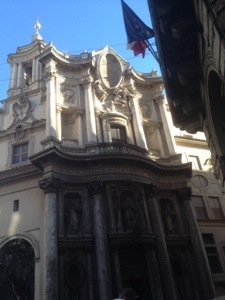
Tweet On my way home from yesterday afternoon’s tour of the Galleria Borghese (it’s glorious, go!), I scootered up via delle Quattro Fontane and past the Palazzo Barberini to the tight junction with via del Quirinale, to the only traffic light I always...
Art History, Augustus, Empire, Greek Sculpture, Roman sculpture, Rome
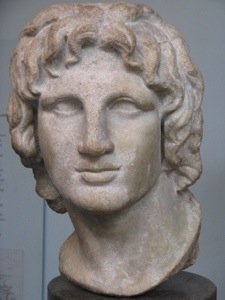
Tweet Brand recognition is nothing new; the use of image as an immediately identifiable expression of the power of the state was one perfected by the Roman emperors. Today heads of state have a standard image: identical portraits of Queen Elizabeth II look down on...
Empire, popes, Roman Forum, Rome, Vatican
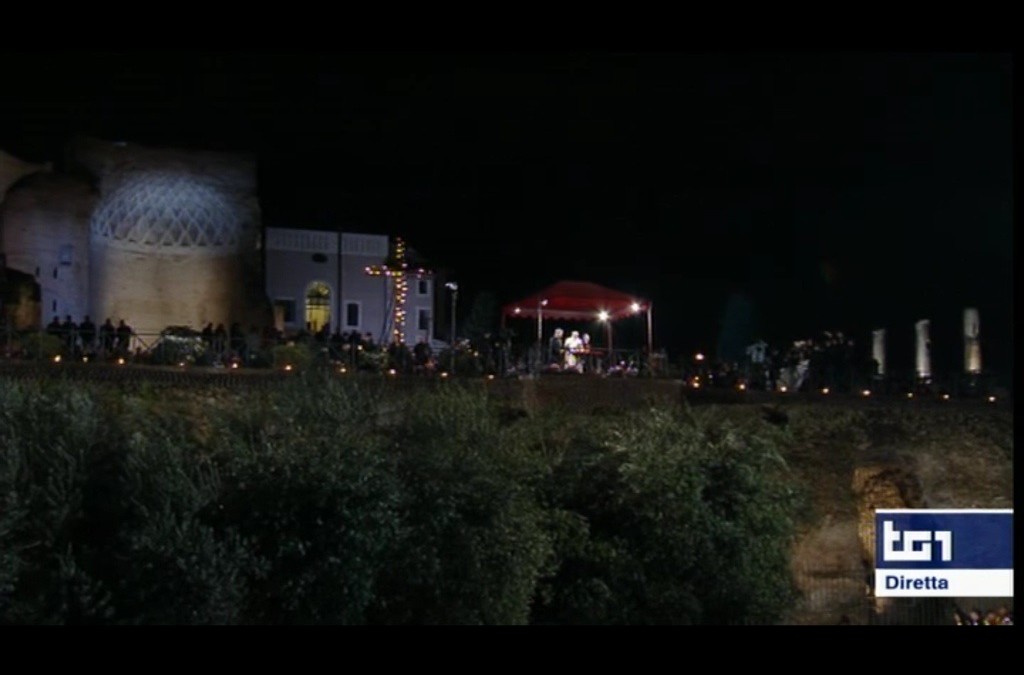
Tweet Yesterday, as every Good Friday, the papal Via Crucis was held at the Colosseum. The procession begins in the amphitheatre and concludes at the temple of Venus, built by Hadrian at the pinnacle of Roman imperial power. The image of the pope amid the ruins has...
Archeology, Architecture, Art History, Empire, Out of Town, Rome
Tweet I’ve mentioned (here and here) my fondness for clambering improbable staircases to view long bricked-in frescoes. Just as good, if not better, is making an appointment through the city heritage office to meet a key-bearing guard in an unlikely looking spot. One...
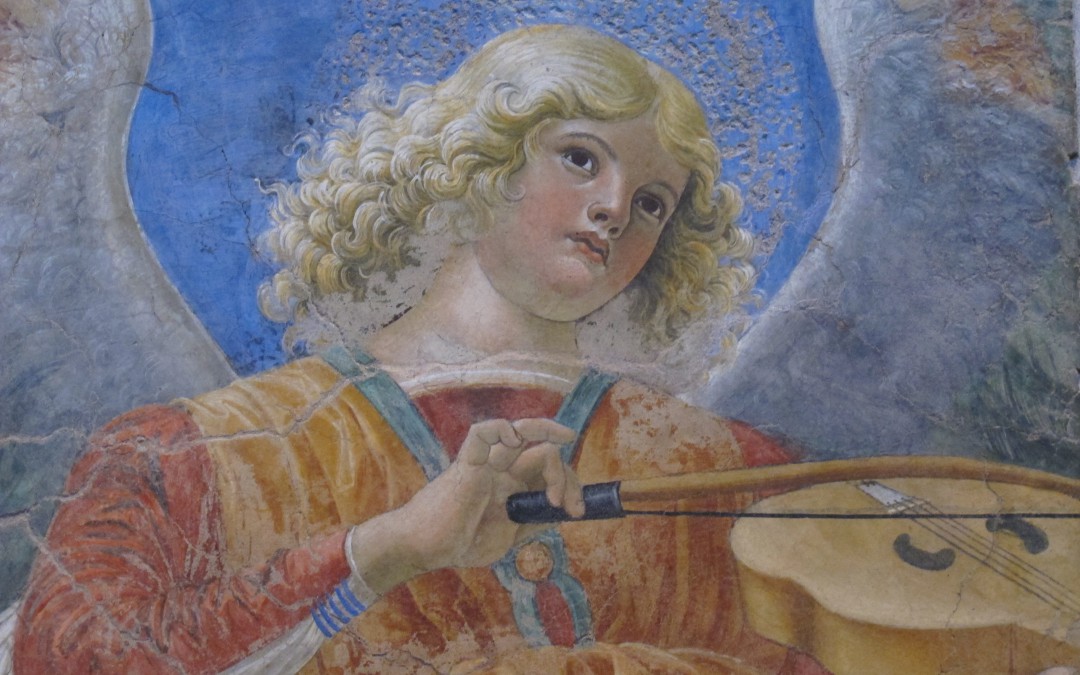
Art History, Early Renaissance, Melozzo da Forli', Vatican
Tweet Anyone visiting Rome over the next week or so may have been dismayed to find that at 1pm today the Sistine Chapel closed to allow preparations for the conclave to take place, and will remain closed as long as is necessary. The next time it opens there will be a...
Art History, Baroque, Michelangelo, Renaissance, Rome, Vatican
Tweet Recently I’ve been thinking about ceilings. Elaborately painted ones to be precise. A couple of weeks ago I took a group of 41 seventeen-year-old girls from the James Allen’s Girls’ School, plus their teachers, to see two of them. In the morning we visited the...
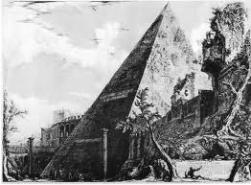
Archeology, Architecture, Augustus, Empire
Tweet If you find yourself entering Rome by the via Ostiense, you might be surprised to see a large white marble pyramid, not perhaps a form one associates with the city. It certainly struck Thomas Hardy, and in his poem Rome at the Pyramid of Cestius Near the Graves...
![The Birth of Christian Art: The Basilica of Saints Cosmas & Damian]()
Art History, Early Christian art, Roman Forum
Tweet The verdigris door in the photo above belongs to a temple in the Roman Forum, traditionally said to have been dedicated to Romulus, the infant son of the Emperor Maxentius. About a century after the mosaics at Santa Pudenziana (about which I spoke in my last...
![The Birth of Christian Art: The Basilica of Saints Cosmas & Damian]()
Art History, Early Christian art, Esquiline, Rome
Tweet I have recently been in a mosaic phase, as mentioned in my last post. My mosaic phases are cyclical – all that glittering gold in the gloaming is so wonderfully atmospheric – but this one began last month when watching a BBC documentary about the...
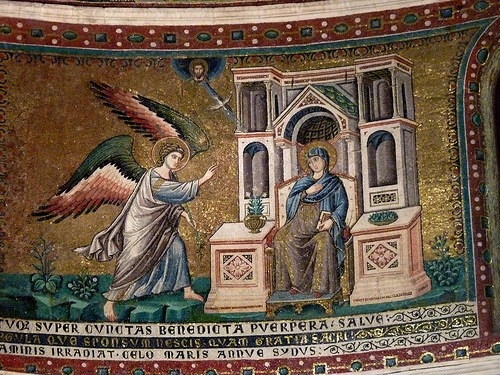
Art History, Late Medieval Art, Trastevere
Tweet I usually like to take advantage of this quieter time of year by exploring Rome. And there’s no shortage of things to look at. As they say around these parts, “Roma, nun basta ‘na vita”: a lifetime isn’t enough. Familiar places can...
Recent Comments